

What Type Of Animals Live In The North West Coniferous Forest
What Animals Alive In The Tropical Rainforest?
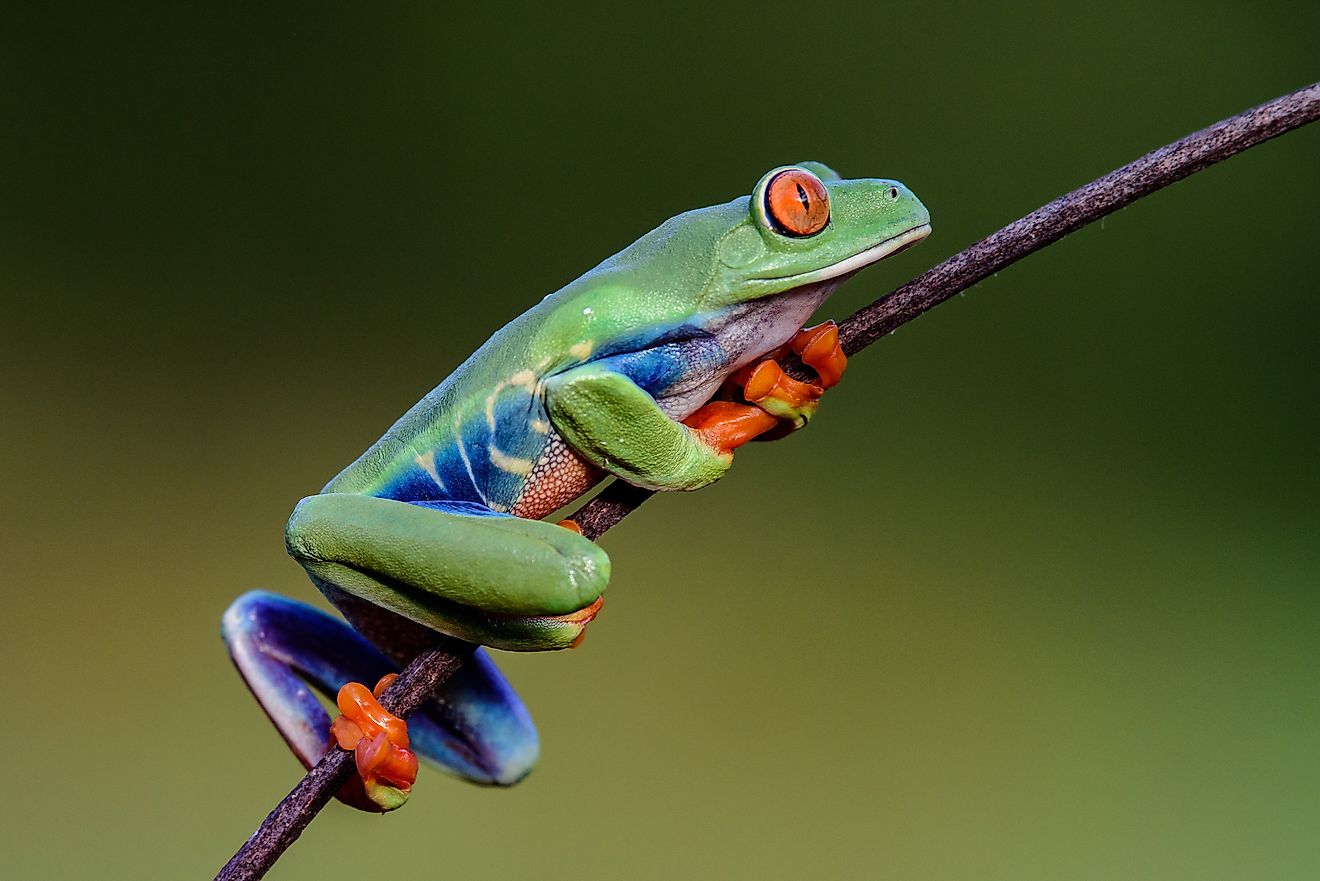
Tropical rainforests are rainforests in the tropical regions of the globe. These rainforests receive a high volume of almanac rainfall, and nearly every month receives at to the lowest degree lx mm rainfall. These rainforests accept rich biodiversity and well-nigh 40% to 75% of all species on Earth inhabit these forests. Animate being of these rainforests includes the jaguar, tapir, okapi, boa constrictor, African grayness parrot, keel-billed toucan, crowned eagle, 3-toed sloth, spider monkey, large flying play tricks, king colobus, and more. In this commodity nosotros discuss the different layers of the tropical rainforest and some of the animals living in these layers.
21. Forest Floor
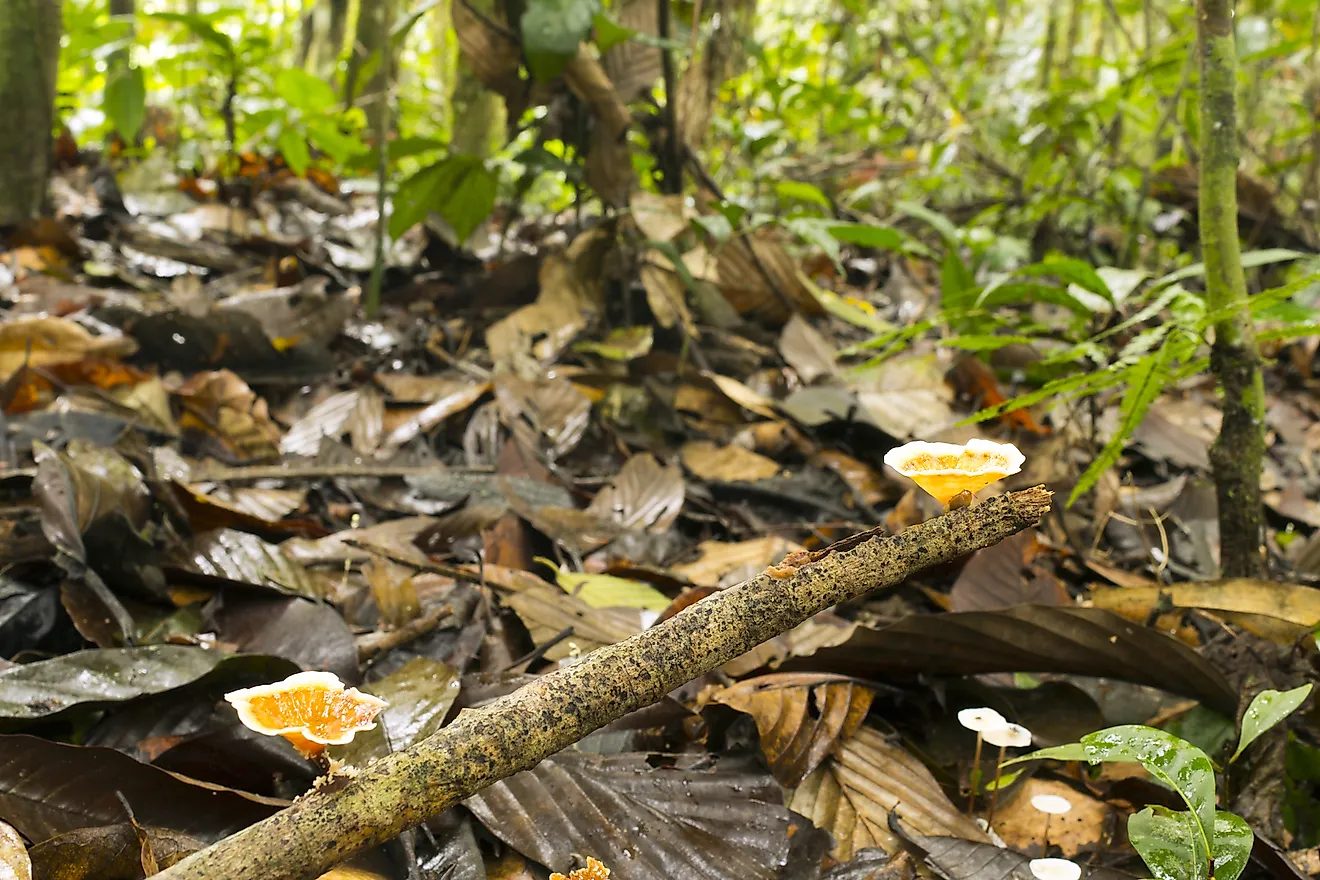
The wood floor is the rainforest's lesser-near layer which receives only 2% of the sunlight. Thus, plants growing here are adapted to the low light conditions, and the forest floor is relatively articulate of vegetation. Thus, relatively larger animals of the tropical rainforest like the okapi, the tapir, the Sumatran rhino, etc., inhabit the woods floors of rainforests. A large number of reptiles, insects, and amphibians also occur in this layer. Decomposable plant and creature thing collect in the forest floor where they are decomposed by microbes like leaner and fungi.
20. Okapi
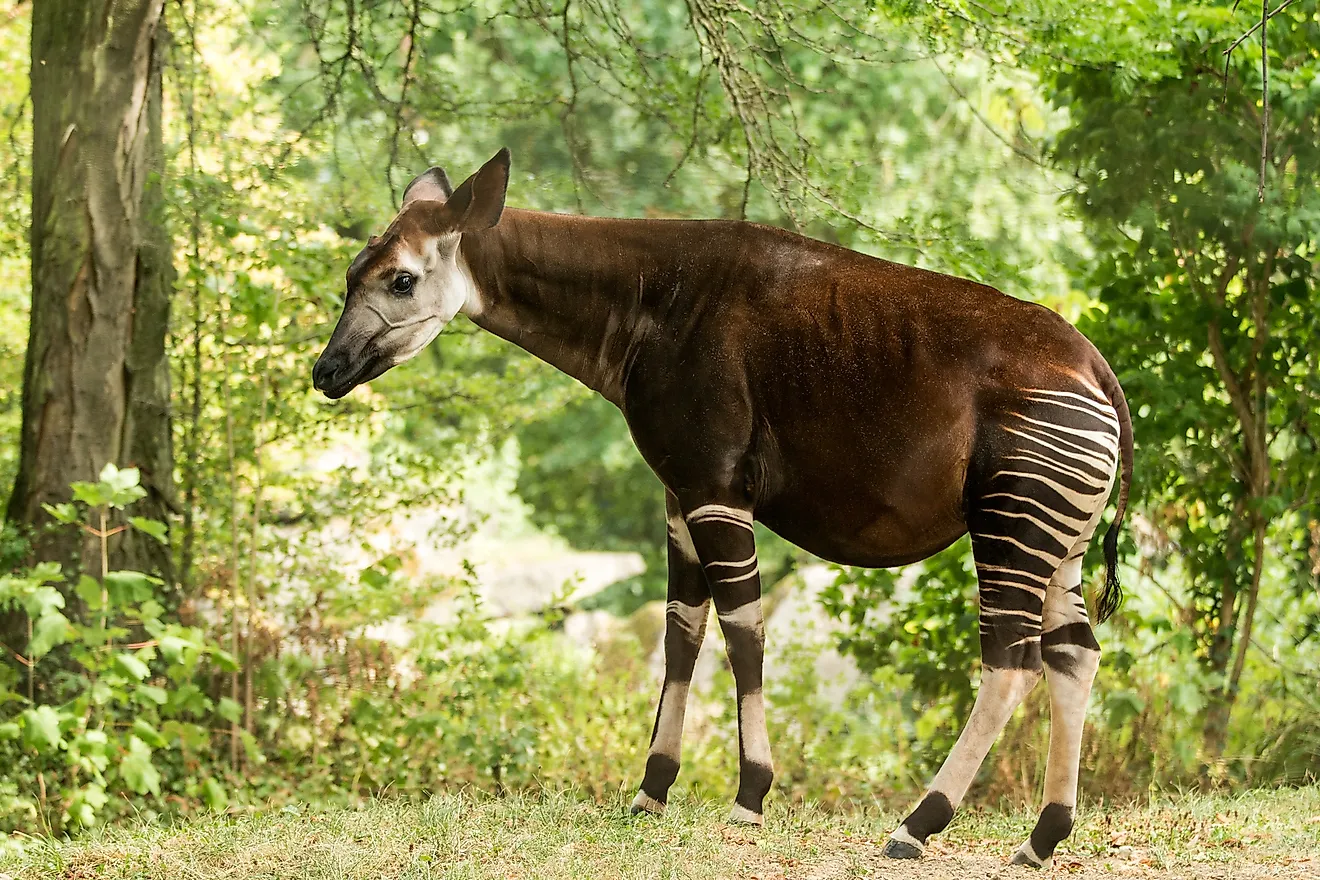
The okapi (Okapia johnstoni) is a unique mammalian species that is native to tropical forests of the Autonomous Democracy of the Congo in Primal Africa. Although the okapis deport distinct zebra-similar markings on their limbs, they are more closely related to giraffes. Okapis are diurnal and lone in nature. These tropical rainforest animals feed on tree leaves and buds, fruits, ferns, and fungi.
xix. Tapir
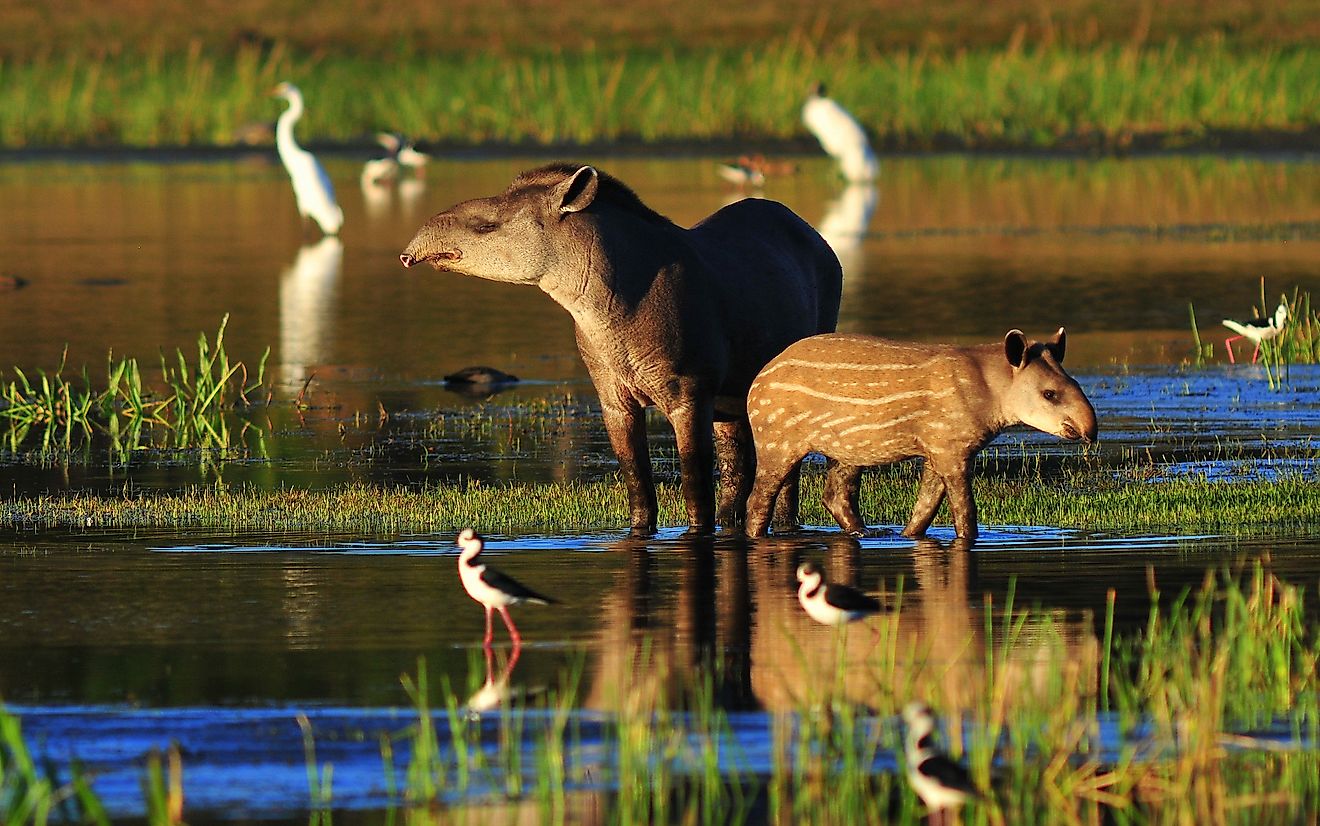
The tapir (Tapirus sp.) is a pig-like herbivorous mammal with a brusk, prehensile snout. These tropical rainforest animals are found in forests of South and Central America every bit well as Southeastern Asia.
18. Sumatran Rhino
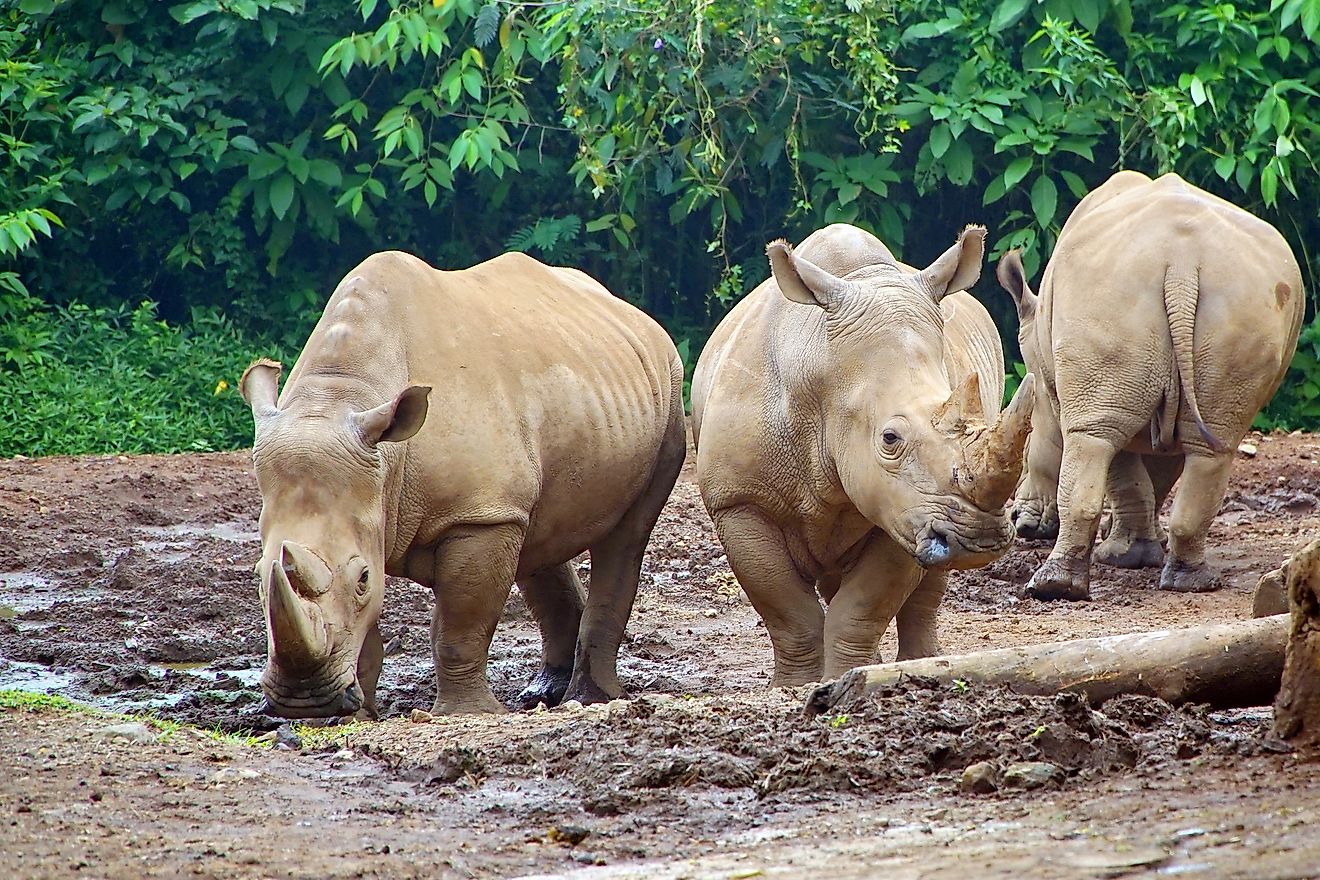
One of the five extant rhinoceros species today, the Sumatran rhinoceros (Dicerorhinus sumatrensis) inhabits the tropical forests of Borneo and Sumatra. It is the smallest rhinoceros species in the world and has two horns. The Sumatran rhinoceros is a critically endangered species as information technology has been hunted extensively for its horns which are used to prepare traditional medicines in China and Vietnam.
17. Western Lowland Gorilla
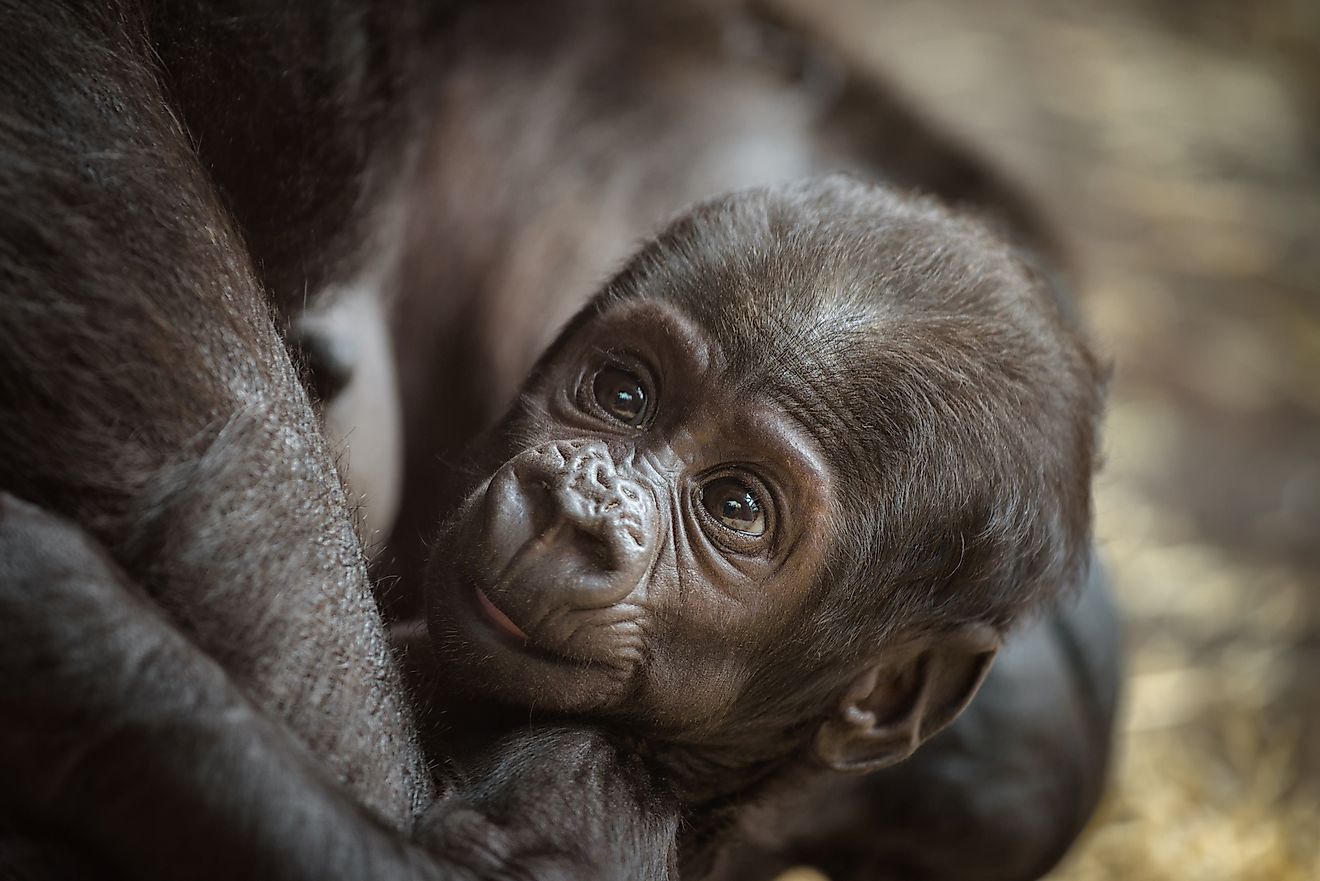
The Western lowland gorilla (Gorilla gorilla) is found in the forests of central Africa. These animals are extremely wise and can way out tools to gather more nutrient using natural objects. This tropical rainforest beast is today critically endangered. Hunting for bushmeat and logging in gorilla habitats are the ii principal threats to these gorillas.
16. Understory Layer
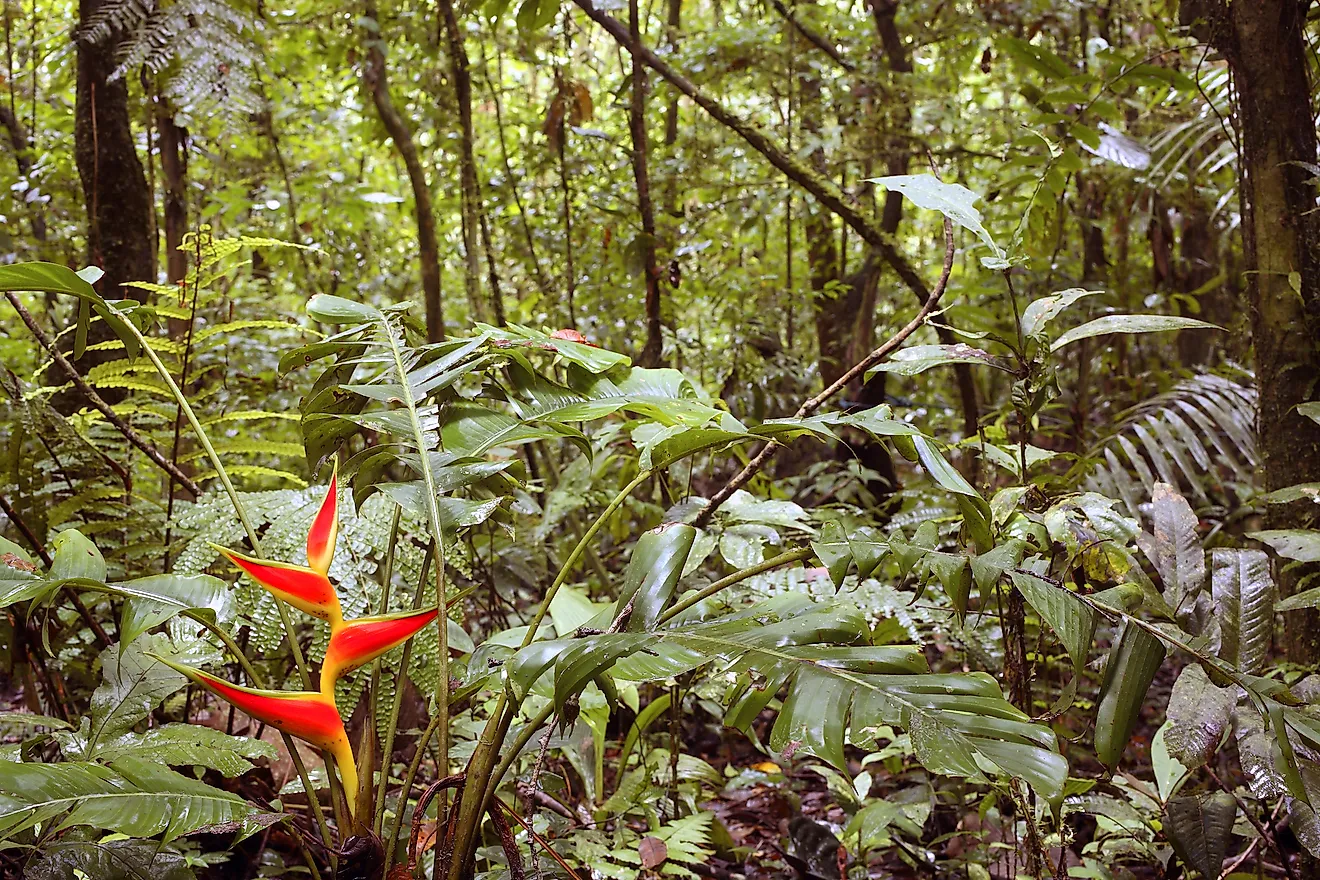
The tropical rainforest layer between the forest floor and the canopy is the understory layer, and it receives only most five% of the sunlight. A large number of pocket-sized mammals, birds, reptiles, and predators like the jaguar inhabit this layer. Shade-tolerant shrubs, small trees, woody vines, and herbs incorporate the vegetation of this layer. Plants growing hither seldom reach x feet in top and normally accept broad leaves to provide greater surface expanse for photosynthesis.
15. Jaguar
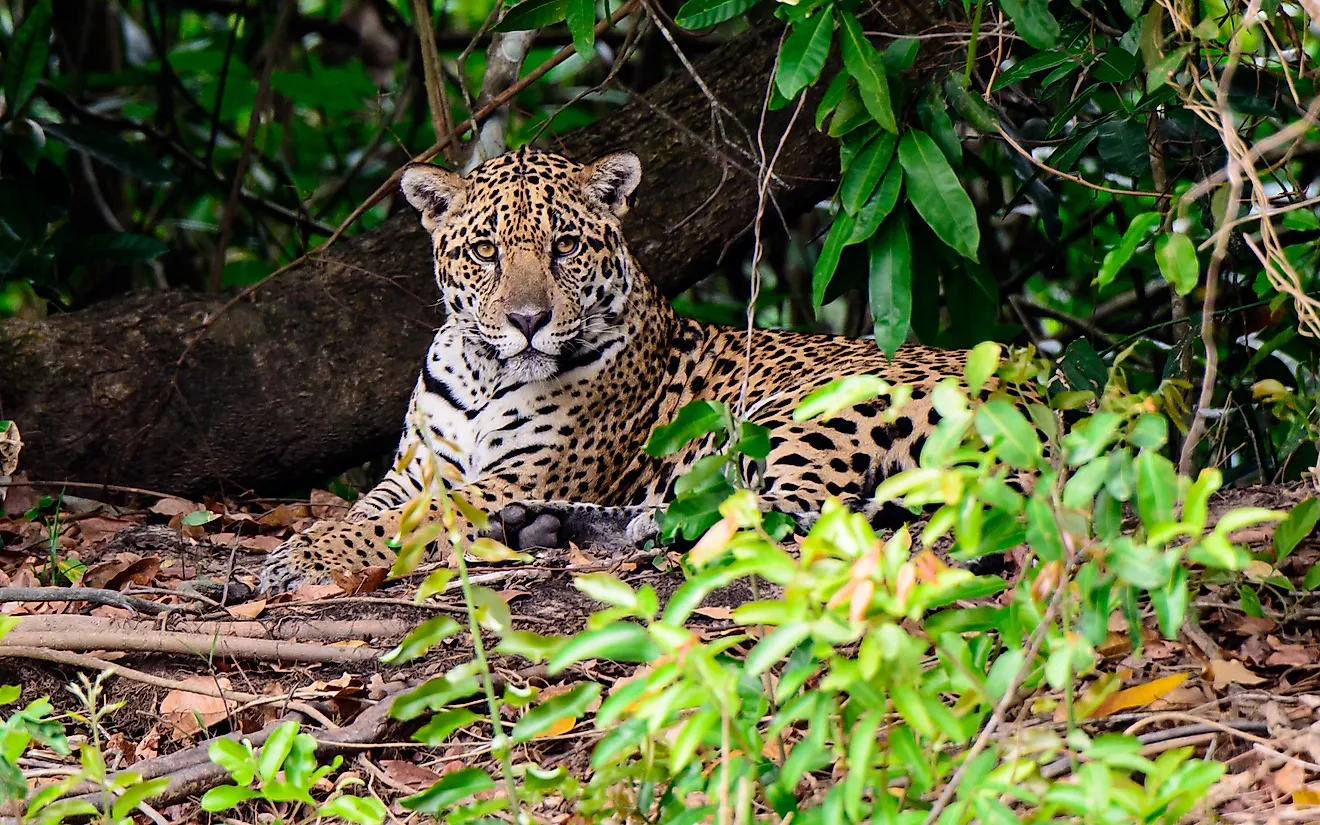
The jaguar (Panthera onca) is the biggest true cat species living in the Americas and is the 3rd largest in the earth after the king of beasts and the tiger. The jaguar prefers to inhabit the rainforests of the Americas and is found across much of Cardinal America and south to northern Argentine republic and Paraguay. The range of this species also extends north into Mexico. The jaguar closely resembles the leopard but is sturdier and larger than the latter. The jaguar is a solitary, apex predator of the ecosystem it inhabits.
xiv. Poison Dart Frog
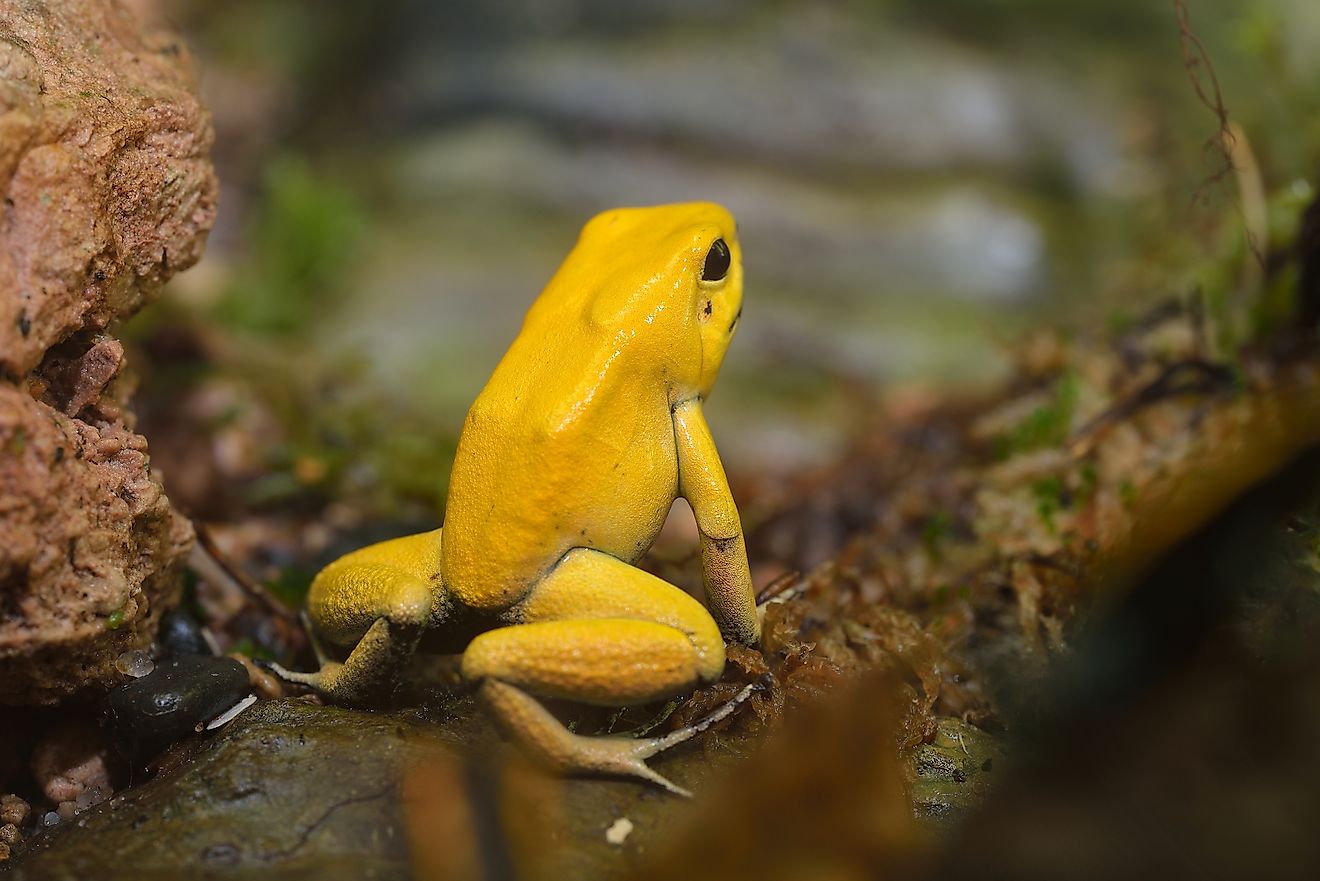
Though the name sounds deadly, just about 3 species of this frog are actually lethal. The gilt arrow frog (Phyllobates terribilis) is the most dangerous among the 3. These frogs all possess vibrant colors of aureate, ruby, light-green, bluish, and yellow which is a tactic to ward off predators. This characteristic is known every bit aposematic coloration.
13. Due south-American Coati
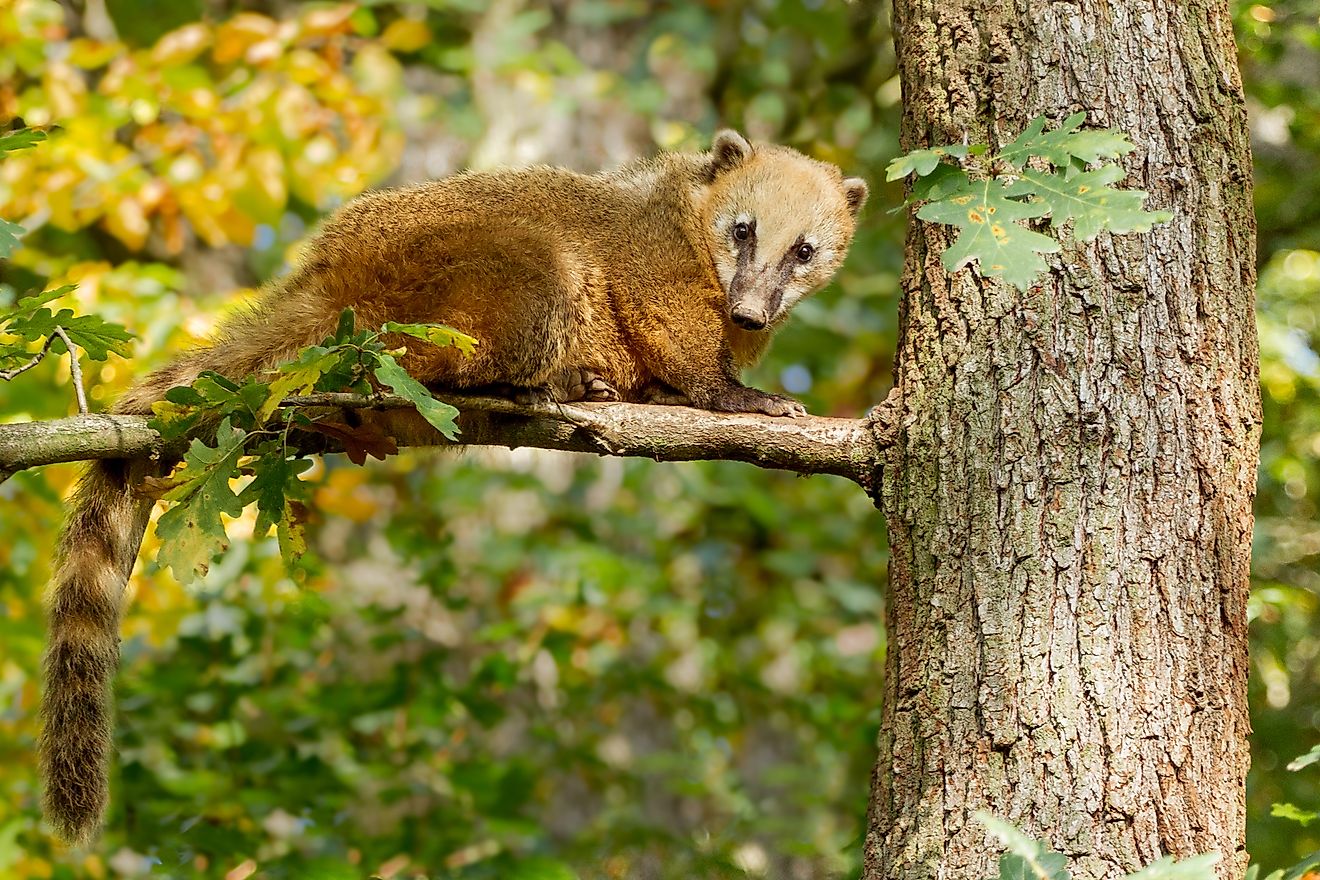
Too known equally the ring-tailed coati (Nasua nasua), it is an animal that inhabits the rainforests of South America. The coatis are plant in the lowland rainforests east of the Andes from Republic of colombia to the Guianas to Uruguay and northern Argentine republic.
12. Boa Constrictor
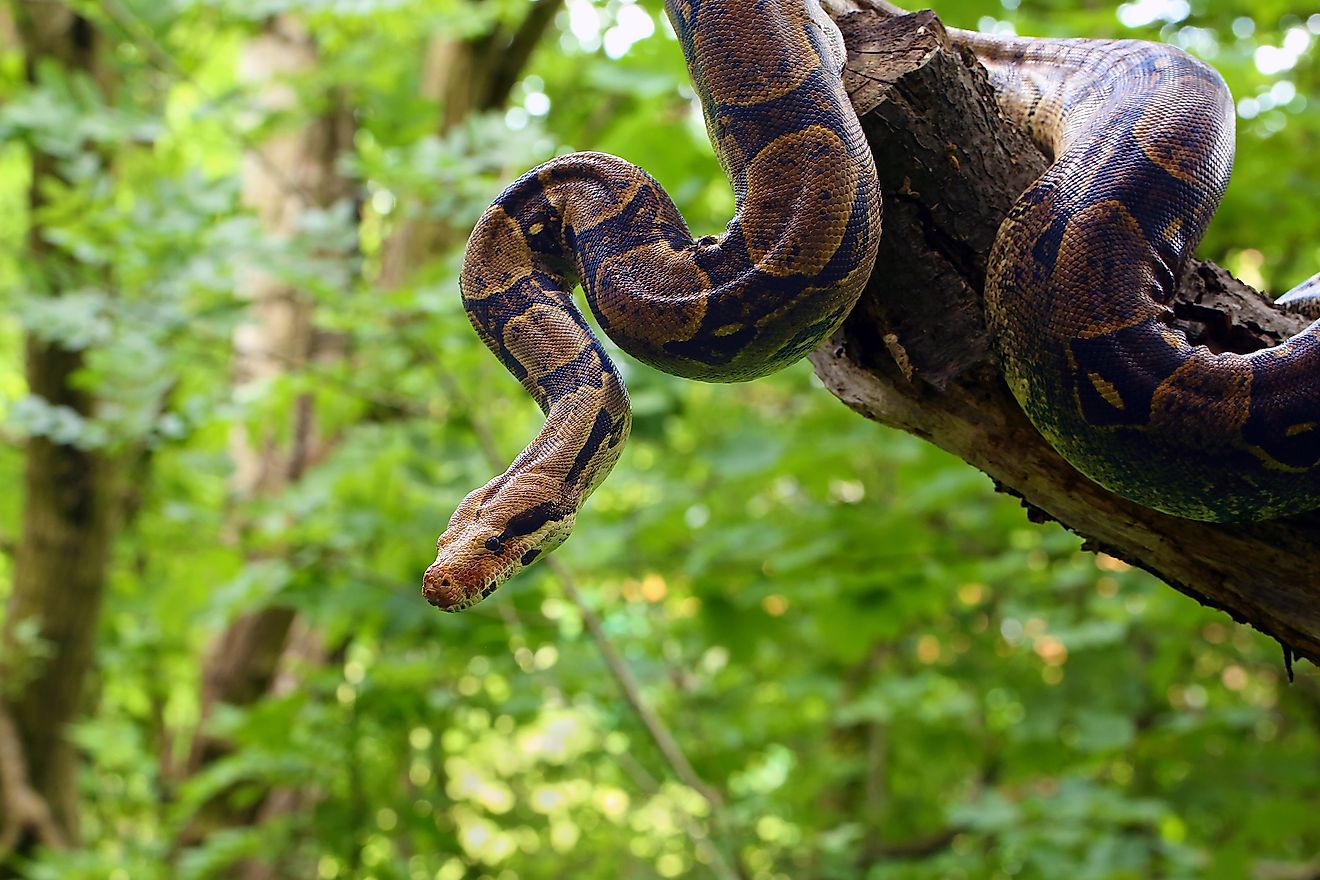
The boa constrictor (Boa constrictor) is a massive snake that is constitute in forests throughout the Americas and also the Caribbean area islands. Though the boa constrictor is found in a wide variety of habitats, it prefers the rainforests in its range due to the loftier humidity and temperatures of such habitat. Also, rainforests provide sufficient cover and enough of prey options to these snakes.
11. Canopy Layer

The canopy is the most distinctive layer of the rainforest forming a roof over the forest floor and the understory layer. A bulk of the largest trees of the rainforest, growing up to 30 to 45 m in height, are found in this layer. Wide-leaved evergreen trees dominate the wood canopy, and a rich flora of orchids, mosses, lichens, bromeliads, etc., are supported by the canopy layer making it the densest role of the rainforest. Over 20 million arthropod species and a large number of avians inhabit this forest layer. Mammals, invertebrates, and reptiles are likewise institute here.
10. African Gray Parrot
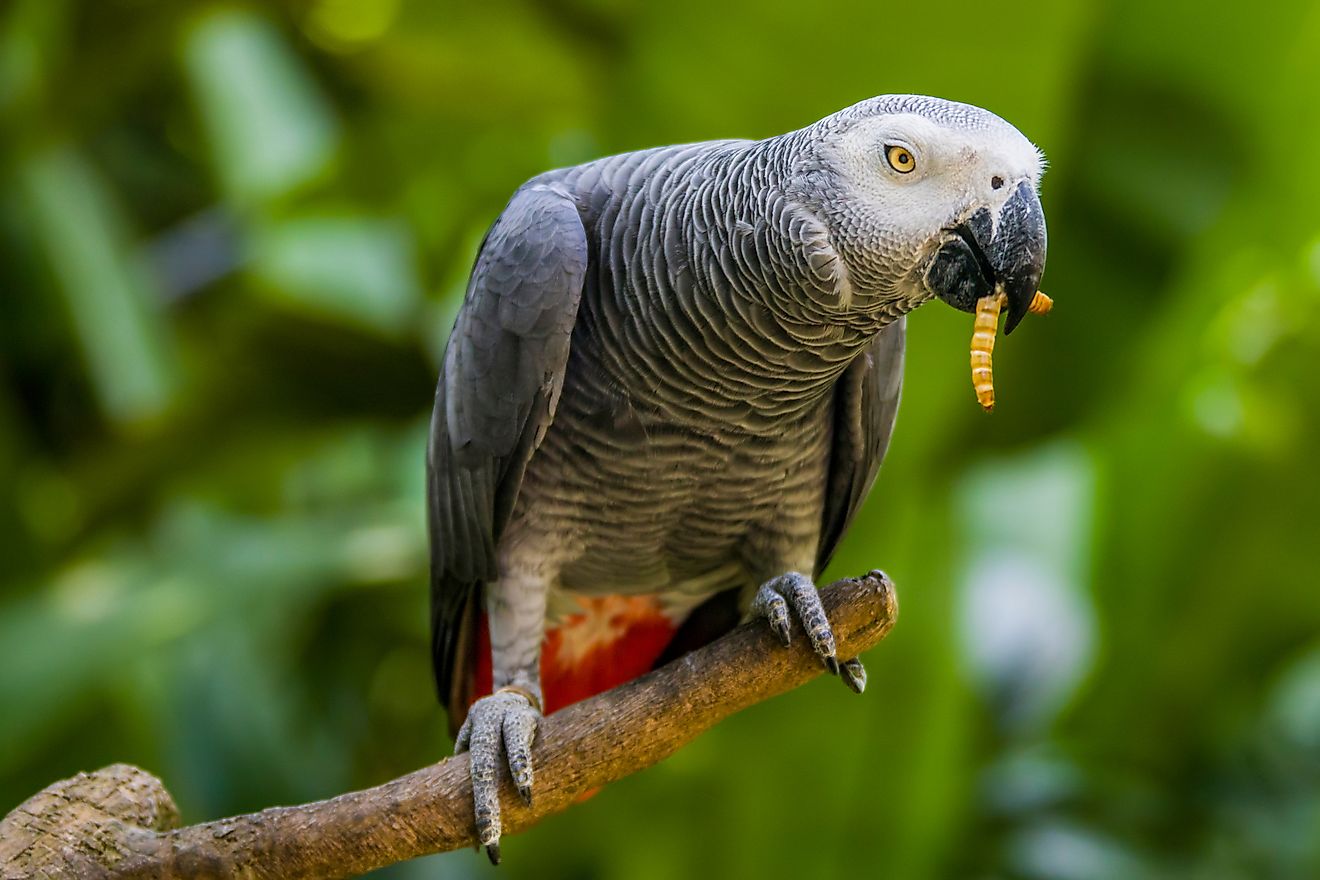
African gray parrots are medium-sized, gray, black-billed birds institute in equatorial Africa. The birds are currently classified every bit vulnerable and number betwixt 120,100 and 259,000.
9. Keel-Billed Toucan
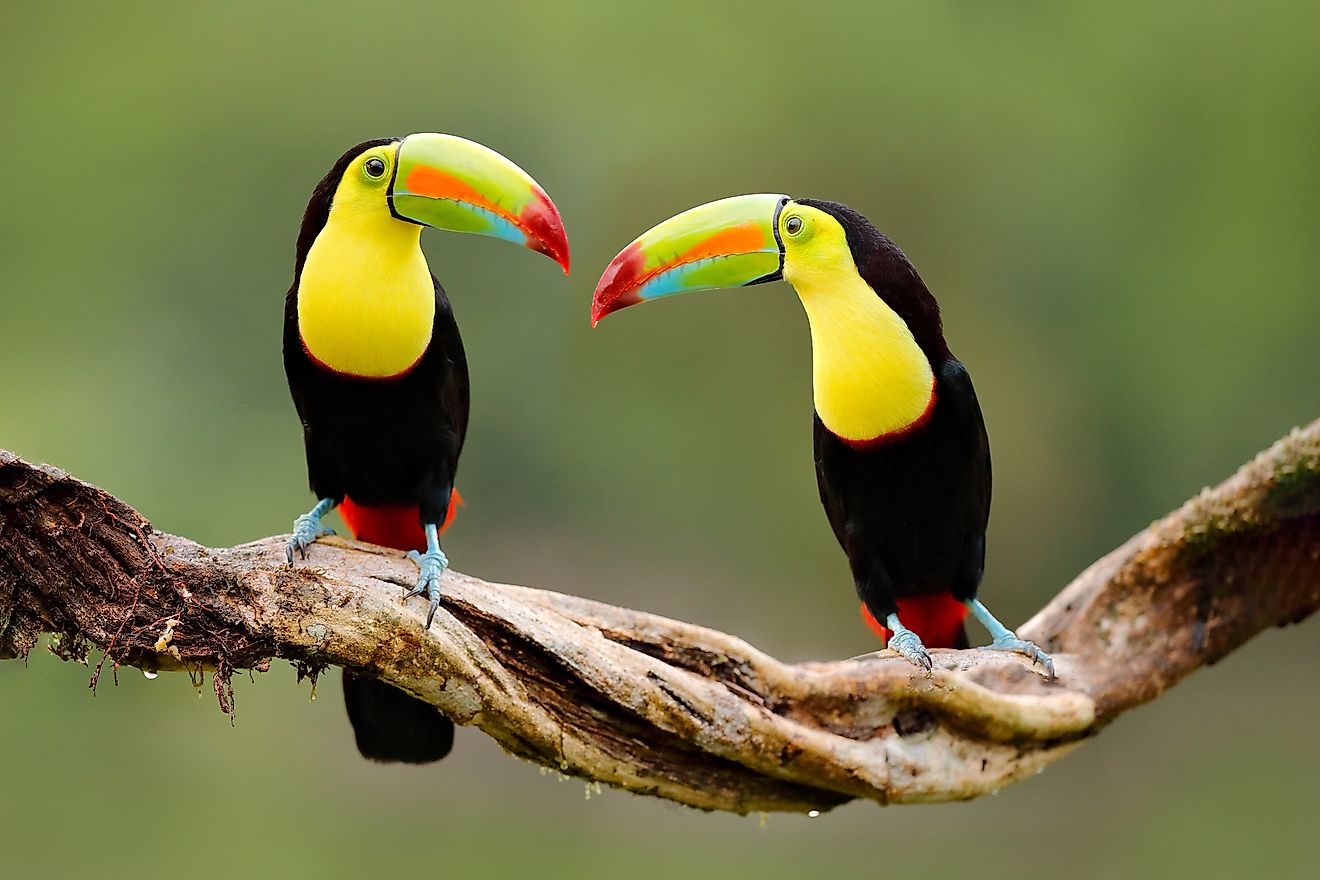
The keel billed toucan (Ramphastos sulfuratus) is constitute in the rainforests of Latin America. In these forests, it roosts in holes of trees in the rainforest awning layer, often with other toucans. The crowded roosting places need that the toucans tuck their beaks and tails nether their bodies to save infinite.
8. Spider Monkey
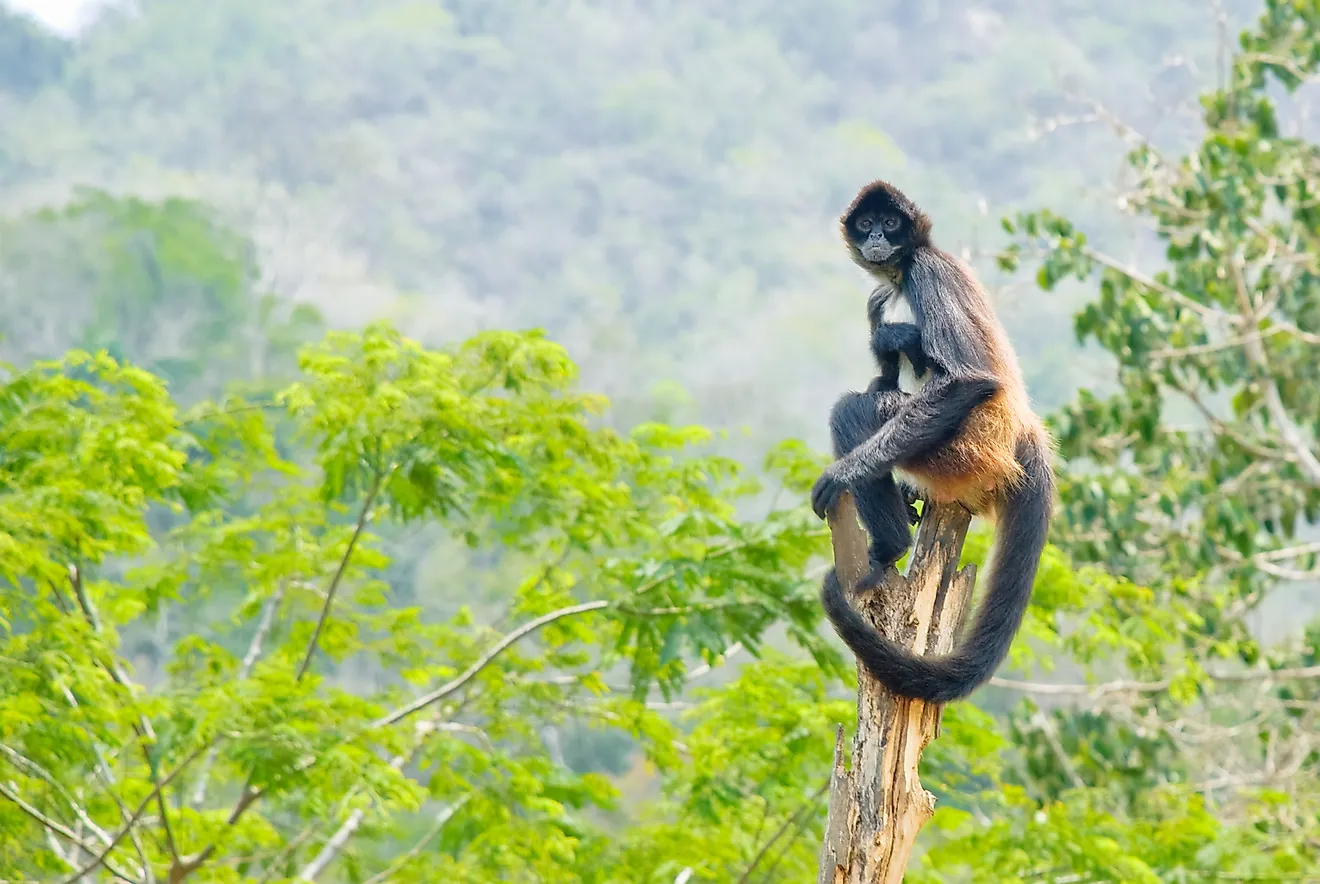
Spider monkeys are found in the Central and S American rainforests from Mexico to Brazil. All the 7 species of these monkeys are threatened to some extent. These highly social creatures alive in large groups of about 35 individuals and split into smaller groups to feed during the day.
7. Three-toed Sloth
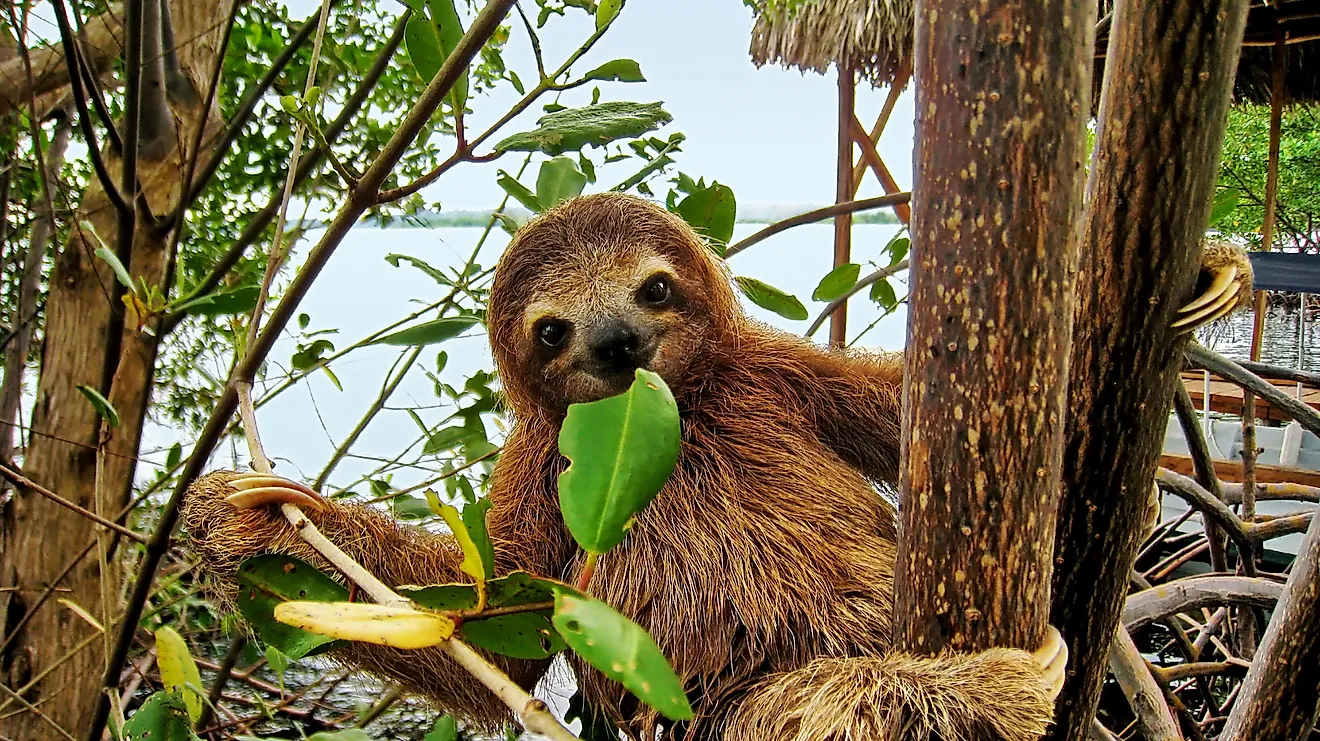
The iii-toed sloths are arboreal mammals found in South and Fundamental America. These tropical rainforest animals are named so for their deadening gait which is an adaptation to conserve energy. These sloths have a size of a small dog or a large cat and three clawed toes on each limb.
6. Slap-up Hornbill
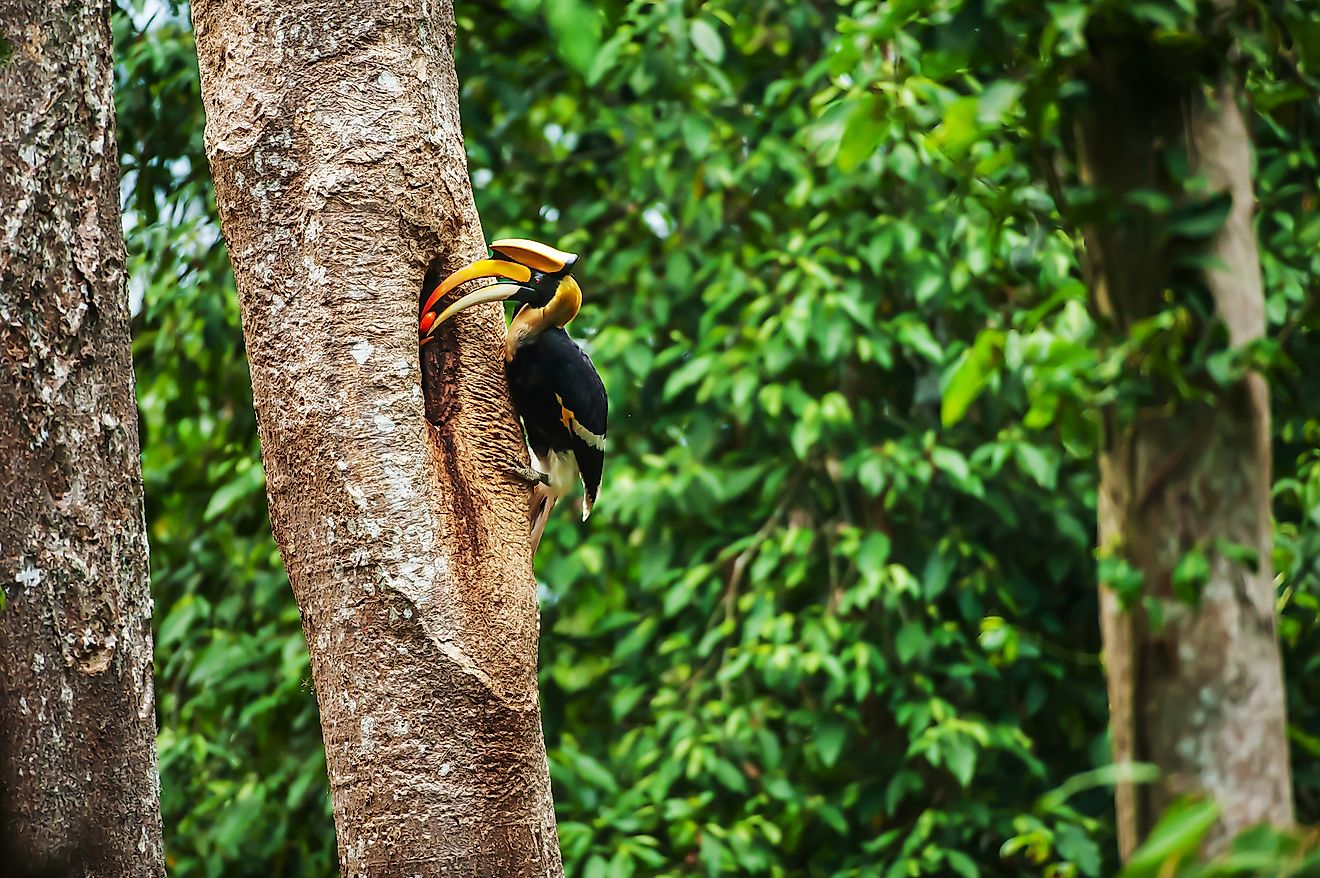
The great hornbill or Buceros bicornis is a vulnerable species establish in forests in parts of the Indian subcontinent and Southeast Asia. Information technology is one of the largest species of the hornbill family. Predominantly frugivorous, the bird also feeds on small mammals, birds, and reptiles occasionally. It can live for around 50 years in captivity and features prominently in the rituals and cultures of locals in areas where it is found.
5. Kinkajou
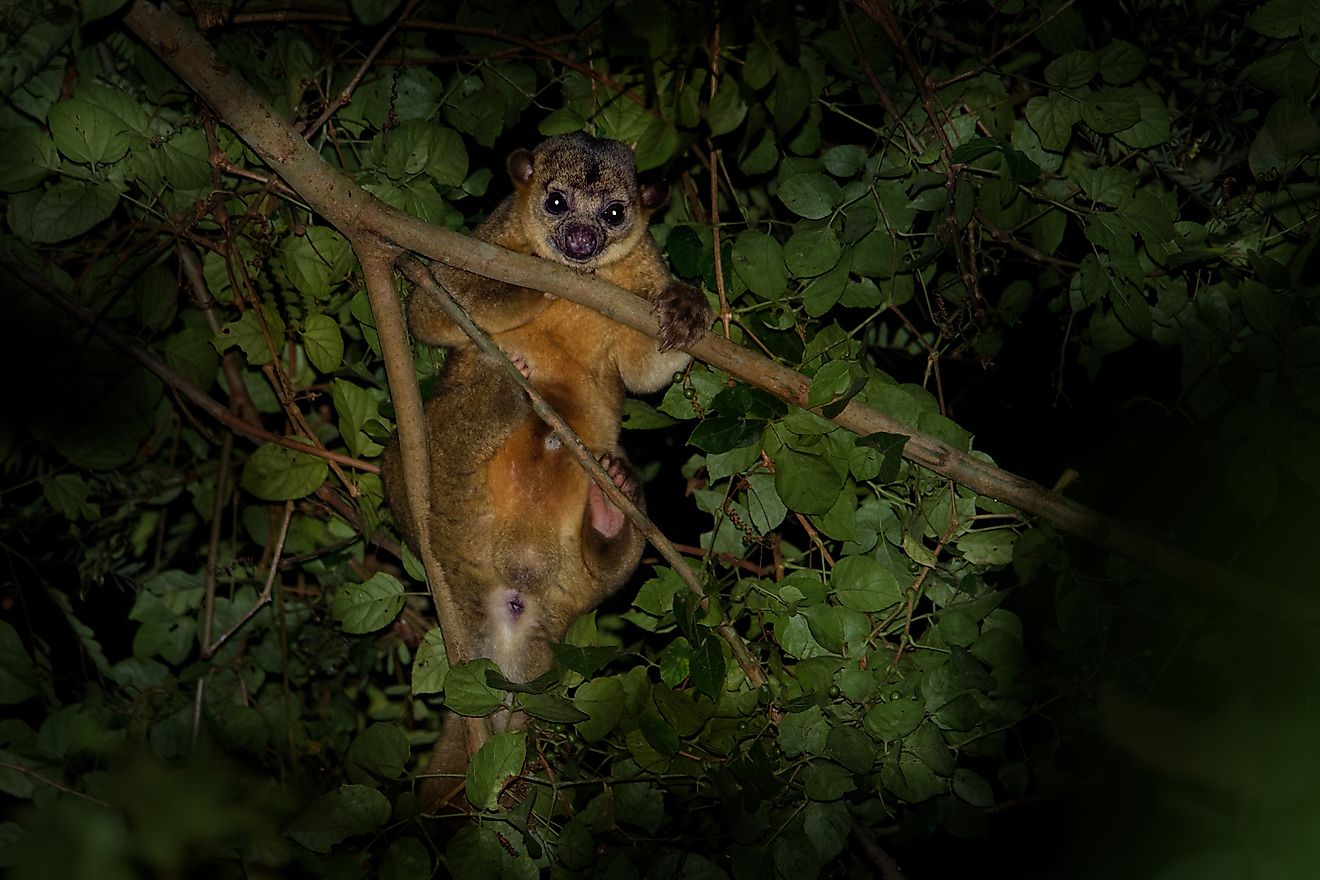
The kinkajou is one of the animals in the tropical rainforest which though mistaken for monkeys or ferrets, are related to none of them. The kinkajou is native to the Central and South American rainforests. These animals are nocturnal, frugivorous, and arboreal in nature. Unfortunately, they are hunted for the pet trade and for their fur.
4. Emergent Layer
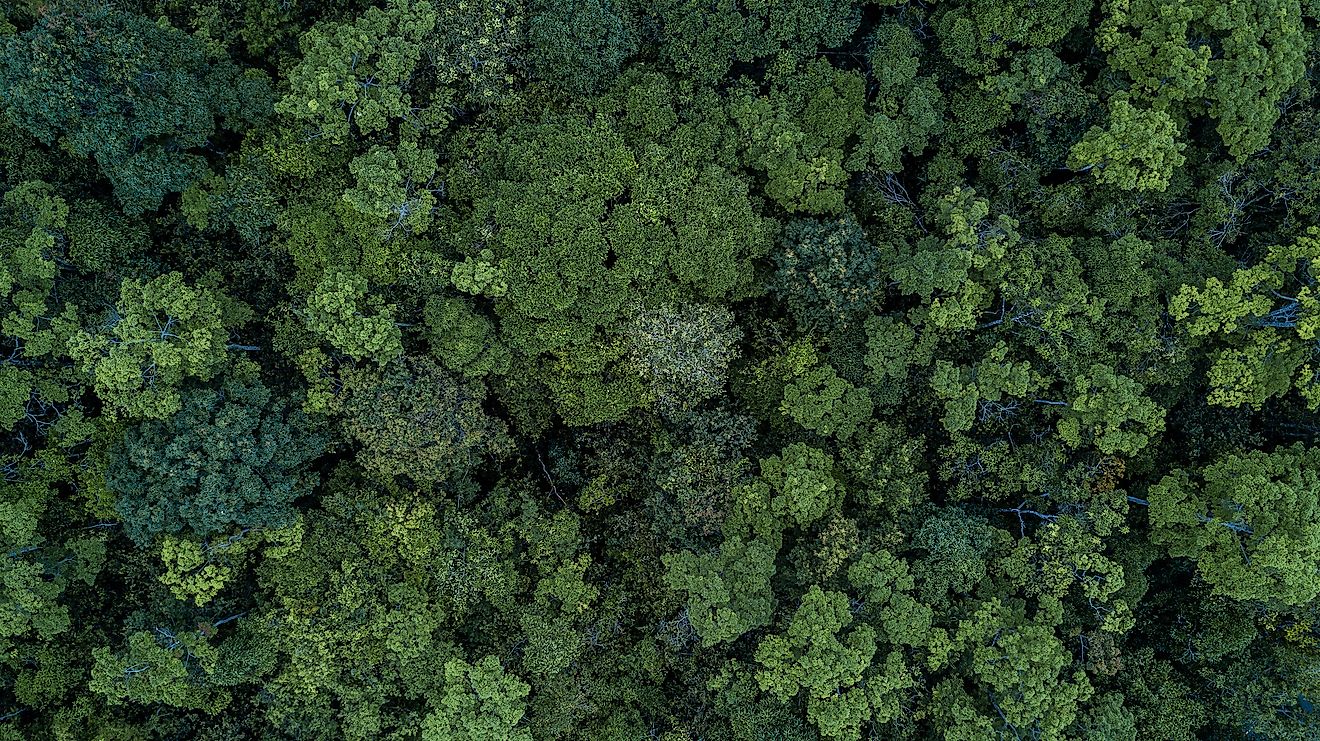
The emergent layer has few giant trees that attain heights up to 45 to 55 thou or even higher. Thus, these copse appear to emerge over the canopy layer. The trees of this layer are well adjusted to withstand the strong winds and hot temperatures above the canopy. When such emergent layer copse collapse, it forms gaps in the canopy, allowing sunlight to reach the lower layers of the rainforest.
iii. Crowned Eagle
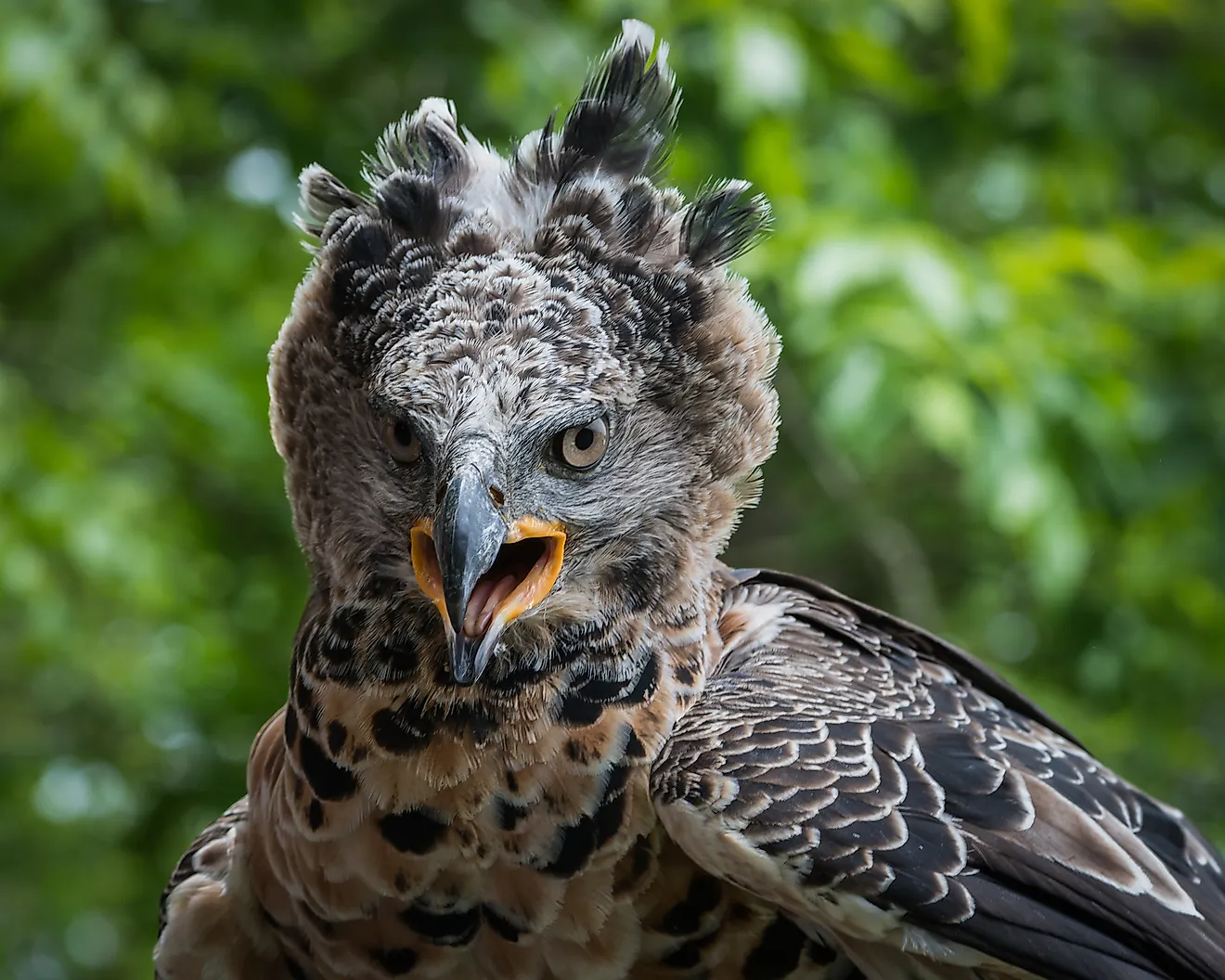
The crowned eagle (Stephanoaetus coronatus) is a massive and ferocious bird of casualty that is found in the emergent layer of the rainforests. The eagle primarily feeds on mammalian prey similar small-scale ungulates, small primates, birds, and lizards. It is 1 of the most powerful eagles of Africa but is now classified every bit Near Threatened by IUCN due to the big-scale destruction of its habitat.
2. King Colobus
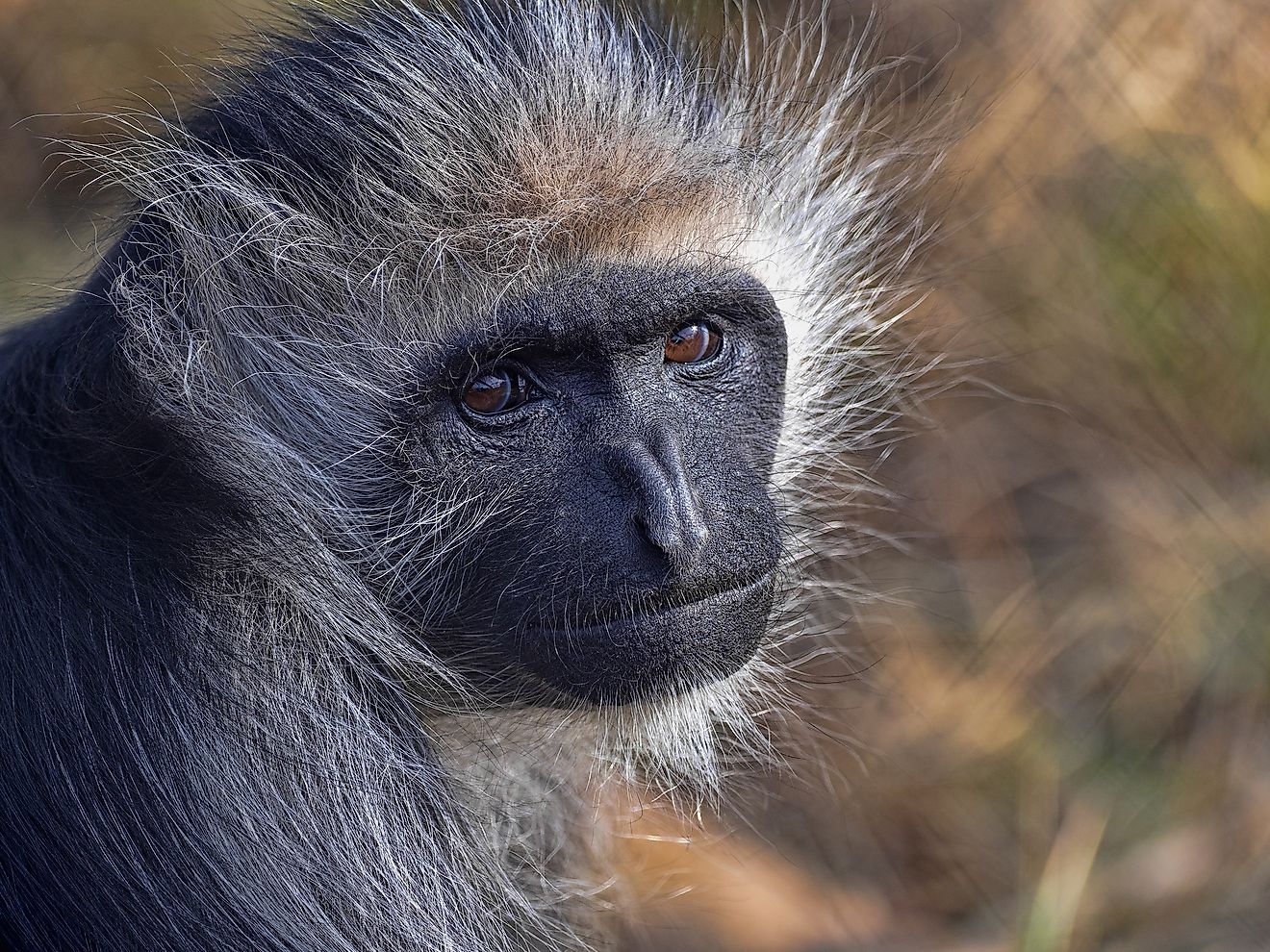
The king colobus (Colobus polykomos) is one of the animals of the tropical rainforest that is found in the rainforests of Africa in the countries of Senegal, Republic of liberia, Guinea, Sierra Leone, Guinea-bissau, and the Ivory Declension. The king colobus lives in the emergent layer of these forests but eats primarily on the ground. 3 to 4 females and 1 to 3 males of this primate species live together in 1 grouping.
ane. Large Flying Fox
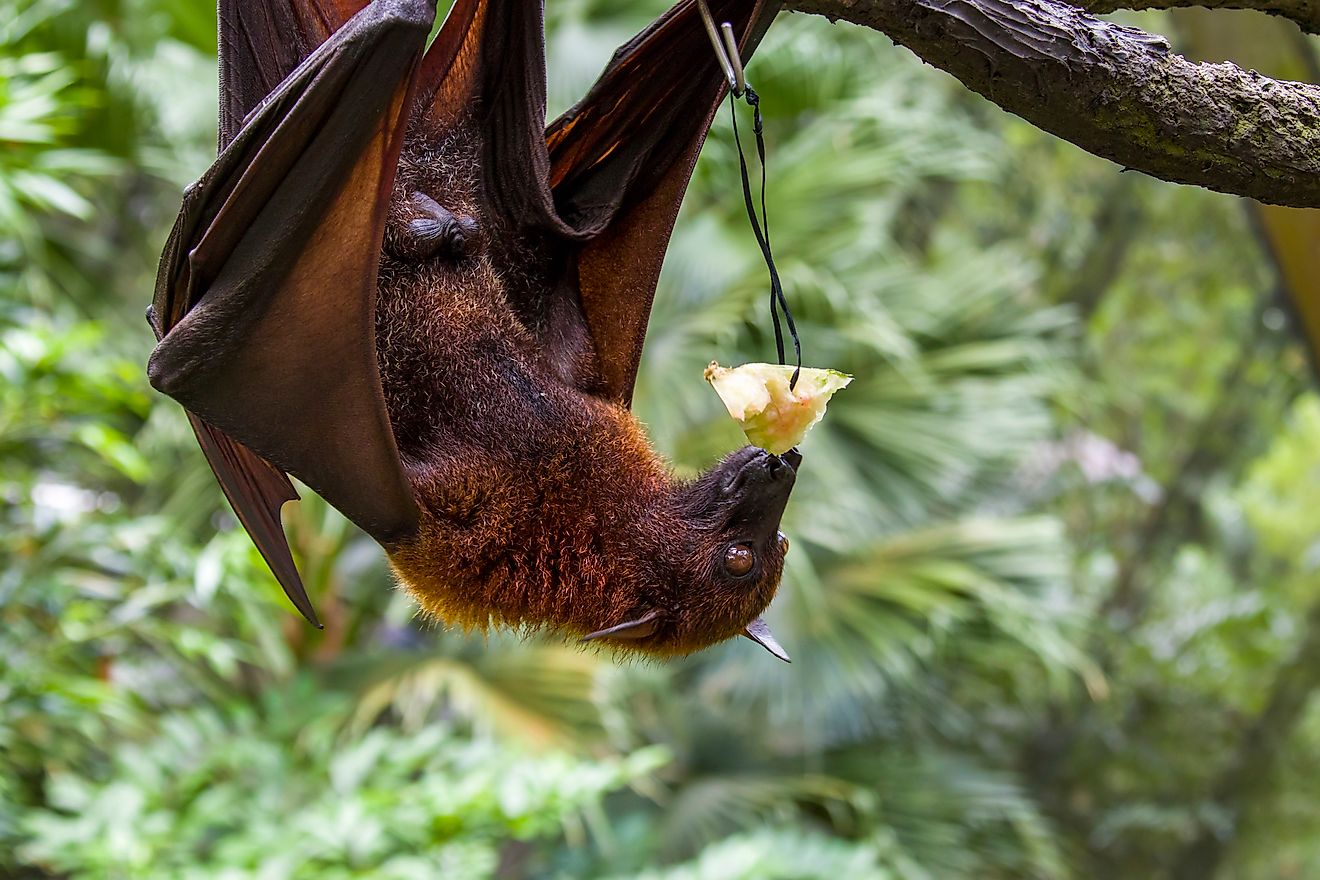
The big flying pull a fast one on (Pteropus vampyrus) is one of the largest species of bats in the globe. It lives in the canopy layer of the rainforests where it feeds exclusively on nectar, fruits, and flowers. Though these bats lack the ability to echolocate, it uses its keen eyesight to observe nutrient sources.
Source: https://www.worldatlas.com/articles/tropical-rainforest-animals.html
Posted by: estradasoffew.blogspot.com
0 Response to "What Type Of Animals Live In The North West Coniferous Forest"
Post a Comment